Source Complete Automatic Rice Sheller for Flour, Beans, and Wheat
Find a complete automatic rice sheller among 30 available models for processing flour, rice flour, beans, and wheat. Compare specifications such as 400kg/h output, 380V voltage, and 7.5kw power to select the right machine for your milling needs.
Key considerations
Products List


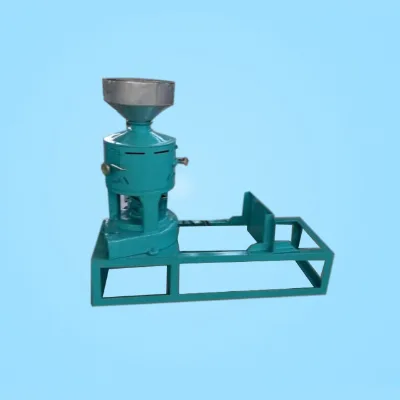


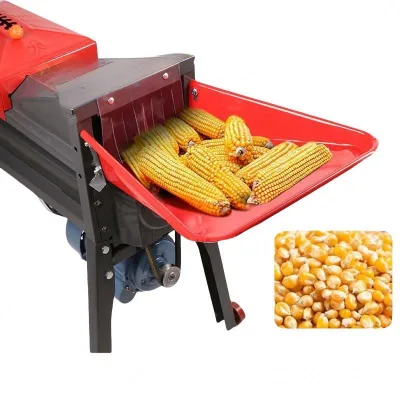
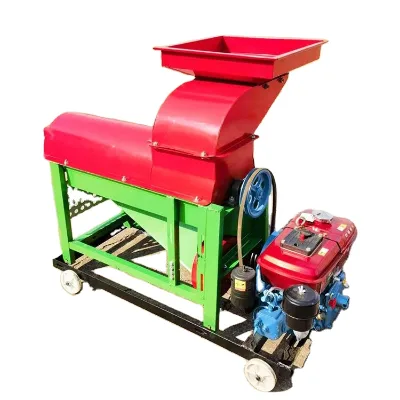


Comprehensive Sourcing Guide
Complete Automatic Rice Sheller Sourcing Guide
Buyers evaluating complete automatic rice shellers must first distinguish between single-function hullers and integrated milling lines based on their specific throughput needs. The market offers distinct configurations ranging from compact 180kg/h units suitable for small-scale operations to large industrial systems capable of processing 30 tons per day. Understanding whether a machine is designed for vertical or horizontal installation is critical, as this dictates the floor space requirements and integration into existing production lines.
Procurement decisions should also account for the diverse raw material inputs supported by different models, which include paddy rice, corn, sunflower seeds, and various oilseeds. While some units are optimized strictly for rice flour and beans, others provide multi-function capabilities such as cleaning, destoning, and whitening in a single pass. Buyers must verify if the specific model supports the desired moisture content of the paddy, typically around 14%, to ensure optimal hulling efficiency and minimize grain breakage during the initial processing stage.
Product Scope and Observed Listing Signals
The observed product listings reveal a wide spectrum of power configurations, ranging from electric motors rated at 2.2kW to robust gasoline or diesel engines up to 15HP. This variation allows buyers to select equipment that matches their local power infrastructure, whether relying on a standard 220V supply or a heavy-duty 380V industrial grid. The presence of both electric and engine-driven options suggests that flexibility in power source is a primary design consideration for these machines, catering to regions with unstable electricity or remote farming communities.
Listing signals also indicate significant differences in physical dimensions and weight, with some compact units weighing only 60kg while larger industrial systems exceed 1000kg. Buyers should carefully review the stated dimensions, which can range from roughly 570mm in width to over 2 meters in length, to ensure the equipment fits within their facility constraints. The packaging methods, often specified as wooden cases or plywood boxes, further highlight the need for careful logistics planning to prevent damage during international shipping.
Technical Specifications to Verify
When assessing technical performance, the milling output capacity is a primary metric that directly correlates with production efficiency and return on investment. Available data points show outputs varying from 180kg/h for smaller units to 400kg/h for mid-range models, with some large-scale systems claiming capacities of 6 to 10 tons per hour. Buyers must verify the rated power consumption against these output figures to calculate the energy cost per ton of milled rice, ensuring the machine operates efficiently without excessive power draw.
Motor speed and structural design are equally critical factors that influence the quality of the final product and the longevity of the machinery. Specifications often cite a standard motor speed of 2800r/Min, which drives the hulling mechanism, while the air volume capacity, ranging from 5800 to 6500 cubic meters per hour, affects the separation of husks from the grain. It is essential to confirm whether the machine includes integrated cleaning and separation functions, as this reduces the need for additional downstream equipment and streamlines the overall milling process.
Compliance and Safety Documentation
Safety and operational compliance are paramount when importing industrial machinery, particularly regarding electrical standards and mechanical safety guards. While some listings mention ISO9001:2008 certification, buyers must verify if this applies to the specific manufacturing facility or the product line, as standards can vary between different production batches. Ensuring that the electrical components meet the voltage requirements of the destination country, whether 220V or 380V, is a non-negotiable step to prevent equipment failure or safety hazards.
Documentation should also include detailed manuals for operation and maintenance, specifically addressing the handling of high-speed rotating parts and dust generation. The presence of a destoner and paddy cleaner function implies complex internal mechanisms that require regular inspection to maintain safety and performance. Buyers should request proof of compliance with local safety regulations regarding noise levels and dust extraction, as these factors are often overlooked during the initial purchasing phase but are critical for long-term operational safety.
Cost Drivers and Commercial Terms
The price range for complete automatic rice shellers is extensive, spanning from approximately $36 to $28,000, driven primarily by capacity, automation level, and power source. Lower-cost units typically feature manual or semi-automatic operation with smaller motors, while higher-priced models offer full automation, larger capacities, and integrated cleaning systems. Buyers must analyze the total cost of ownership, including energy consumption and maintenance requirements, rather than focusing solely on the initial purchase price to avoid hidden operational expenses.
Minimum Order Quantities (MOQ) and payment terms also vary significantly, with observed ranges starting from a single unit up to ten units for certain configurations. The customization options available, such as specific voltage requirements or custom dimensions, can influence the final cost and lead time. It is advisable to clarify whether the quoted price includes the wooden or carton packaging and if any additional fees apply for freight or insurance, as these factors can substantially impact the final landed cost of the equipment.
Supplier Qualification and Quality Control
Supplier qualification should focus on verifying the origin of the machinery, with many listings indicating production in China, specifically in regions like Hubei. Buyers must confirm the manufacturer's ability to provide consistent quality control, especially given the variation in product models and specifications observed in the market. Requesting references from previous international clients and reviewing the supplier's track record for delivering machines that meet the stated capacity and power specifications is essential for mitigating procurement risks.
Quality control processes should extend beyond the factory floor to include pre-shipment inspections that verify the mechanical integrity of the huller and separator components. Buyers should ensure that the supplier provides a clear warranty policy and access to spare parts, particularly for high-wear items like rubber rollers and sieves. Establishing a direct line of communication with the technical team can help resolve any issues regarding installation or operation, ensuring that the machine performs as expected once deployed in the buyer's facility.
Long-Term Procurement Checks
Long-term procurement success depends on the availability of technical support and the durability of the machine under continuous operation. Buyers should assess the supplier's ability to provide ongoing training for operators and maintenance staff, as the complexity of multi-function rice mills requires skilled handling to prevent breakdowns. The availability of a comprehensive spare parts catalog is crucial, ensuring that critical components can be replaced quickly to minimize downtime and maintain production schedules.
Finally, buyers must plan for the scalability of their operations, considering whether the current machine can be upgraded or if a larger system will be needed as demand grows. The observed range of capacities suggests that many suppliers offer modular solutions or different models that can be integrated as production needs expand. Regular performance audits and adherence to the manufacturer's maintenance schedule will ensure that the rice sheller continues to deliver high-quality output and maintains its efficiency over the long term.
FAQs
What is the typical milling output for a complete automatic rice sheller?
The typical milling output for a complete automatic rice sheller is 400kg/H for larger models and 180kg/H for smaller units. Some combined machines also offer a crushing output of 250kg/H. These capacities vary based on the specific model and motor power, such as 7.5kw electric motors or 15HP gasoline engines, ensuring suitability for different production scales.
Can a complete automatic rice sheller handle different raw materials?
Yes, certain complete automatic rice sheller models can process various raw materials beyond paddy rice. Specific machines are designed to handle corn, sunflower seeds, pumpkin seeds, peanuts, and soybeans. However, dedicated rice mill machines primarily focus on paddy rice, rice flour, beans, and wheat, so selecting the correct model depends on your specific processing requirements.
What certifications are available for complete automatic rice sheller manufacturers?
Manufacturers of complete automatic rice sheller machines often hold ISO9001.2008 certification to ensure quality management standards. This certification indicates that the production processes meet international benchmarks for consistency and reliability. Buyers should verify this documentation when sourcing from factories in China to ensure the equipment meets necessary safety and operational standards for commercial use.
How is a complete automatic rice sheller packaged for shipping?
Complete automatic rice sheller machines are typically packaged in wooden cases, carton cases, or plywood boxes to ensure safe transit. Some larger industrial units may use frame packaging for added stability. This robust packaging protects the machinery from damage during international shipping, ensuring that components like the electric motor and hulling mechanisms arrive in optimal condition for immediate installation.
What is the standard voltage for industrial complete automatic rice sheller models?
Industrial complete automatic rice sheller models typically operate on a standard voltage of 380V. Smaller, home-use variants may support 220V. The power rating often involves an electric motor of 7.5kw or a gasoline engine of 15HP for larger units, while smaller models might use 3HP electric motors. Always match the voltage to your local power supply infrastructure.
What functions does a complete automatic rice sheller perform?
A complete automatic rice sheller performs multiple functions including paddy cleaning, destoning, hulling, separation, and whitening. These integrated processes ensure that raw paddy rice is efficiently converted into polished white rice. The machine handles input capacities of up to 30 tons per day, making it suitable for medium to large-scale milling operations with high efficiency.